
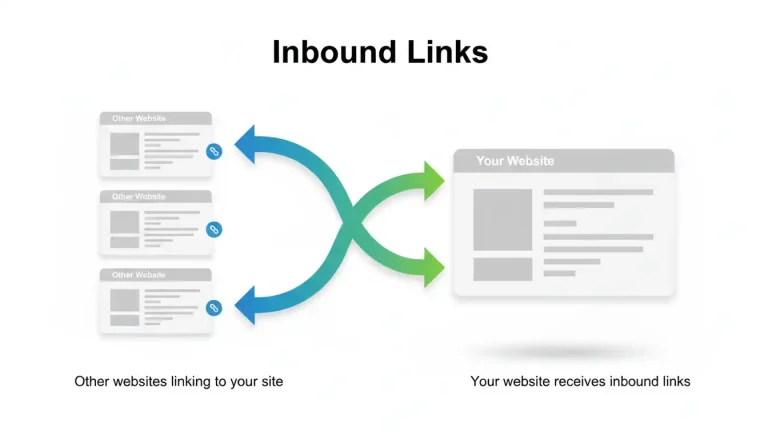
Inbound links, also called backlinks, are links from external websites that point to your website. They play a crucial role in search engine optimization (SEO) because search engines interpret them as votes of confidence. In other words, when other sites link to your pages, it signals trust, relevance, and authority. Inbound links help improve rankings, drive referral traffic, and enhance online visibility.
Why Inbound Links Are Important
Inbound links matter because they directly affect your website’s credibility and ranking potential. Google and other search engines consider these links as endorsements. Therefore, pages with high-quality inbound links are more likely to appear higher in search results. Additionally, inbound links can increase referral traffic from other websites, helping you reach a broader audience and gain potential customers.
Boost Search Rankings
High-quality inbound links improve your website’s domain authority. The more reputable sites linking to your content, the stronger your authority becomes. Consequently, your pages rank higher for competitive keywords, making it easier for users to find your content online.
Increase Referral Traffic
Inbound links bring visitors directly from external websites. These visitors are often interested in your niche, which increases the chance of engagement and conversion. By strategically acquiring inbound links, you can attract targeted traffic and grow your audience.
Build Trust and Authority
Inbound links from credible websites signal trust to both users and search engines. They help establish your website as a reliable source of information, enhancing your brand reputation and online presence.
Characteristics of a High-Quality Inbound Link
1. Relevant Content
Links should come from websites related to your niche. Relevance ensures that search engines understand the context of the link, increasing its SEO value.
2. Authority of the Linking Site
Links from high-authority domains carry more weight. Established websites with strong reputations provide better SEO benefits than low-quality sites.
3. Dofollow Links
Dofollow inbound links pass link equity, improving your site’s ranking potential. Although nofollow links can provide traffic, dofollow links are more influential for SEO.
4. Natural Placement
High-quality links are embedded within the main content rather than sidebars, footers, or widgets. Natural placement indicates relevance and improves search engine trust.
5. Descriptive Anchor Text
Anchor text should describe the content being linked naturally. Avoid over-optimized or keyword-stuffed anchors, as they may appear spammy to search engines.
Types of Inbound Links
1. Editorial Links
These are earned naturally when other websites reference your content due to its value and relevance. Editorial links are highly trusted and considered high-quality backlinks.
2. Guest Post Links
Guest posting on other websites allows you to include links to your site in content or author bios, generating inbound links and building authority.
3. Social Media Links
Links from social media platforms can bring traffic and visibility, although most are nofollow. They are useful for brand awareness and referral visits.
4. Directory and Resource Links
Being listed in business directories or resource pages provides structured inbound links. These are often used for local SEO and industry-specific linking.
Common Mistakes to Avoid in Link Building
1. Paid or Spammy Links
Buying links or using link farms can lead to Google penalties. Always ensure links are earned naturally or comply with guidelines.
2. Excessive Reciprocal Linking
While occasional link exchanges are acceptable, aggressive reciprocal linking may appear manipulative and reduce SEO value.
3. Automated Link Building
Using bots to generate inbound links can create low-quality and spammy links, harming your website’s reputation and rankings.
4. Keyword-Stuffed Anchor Texts
Over-optimized anchor texts may appear unnatural. Always use descriptive, contextually relevant anchors for inbound links.
Final Thoughts
Inbound links are essential for SEO success. They improve search rankings, drive referral traffic, and enhance your website’s authority. By focusing on high-quality, relevant links and avoiding harmful practices, you can build a strong backlink profile that supports long-term growth and online visibility.
Useful Resources & Backlinks
For expert SEO services in Nepal, visit
Backlinks Nepal.
Try a fast and free tool for images:
Free Image Converter.
Reliable hosting solutions from
Best hosting in Nepal.
Professional IT solutions at
Top IT company in Nepal.
Plan your overseas study with
Best Consultancy in Nepal for Abroad Study.
Hire skilled developers from
SEO Expert in Nepal.